Friend Health Federally Qualified Health Center - United Yards 1B
Bringing community-led healthcare to the heart of Back of The Yards in a landmark, state-of-the-art facility
Location
Chicago IL
Back of the Yards
Year
2025
Size
15,000 SF
Client
Friend Health
Contractor
Blackwood Group
Type
Healthcare
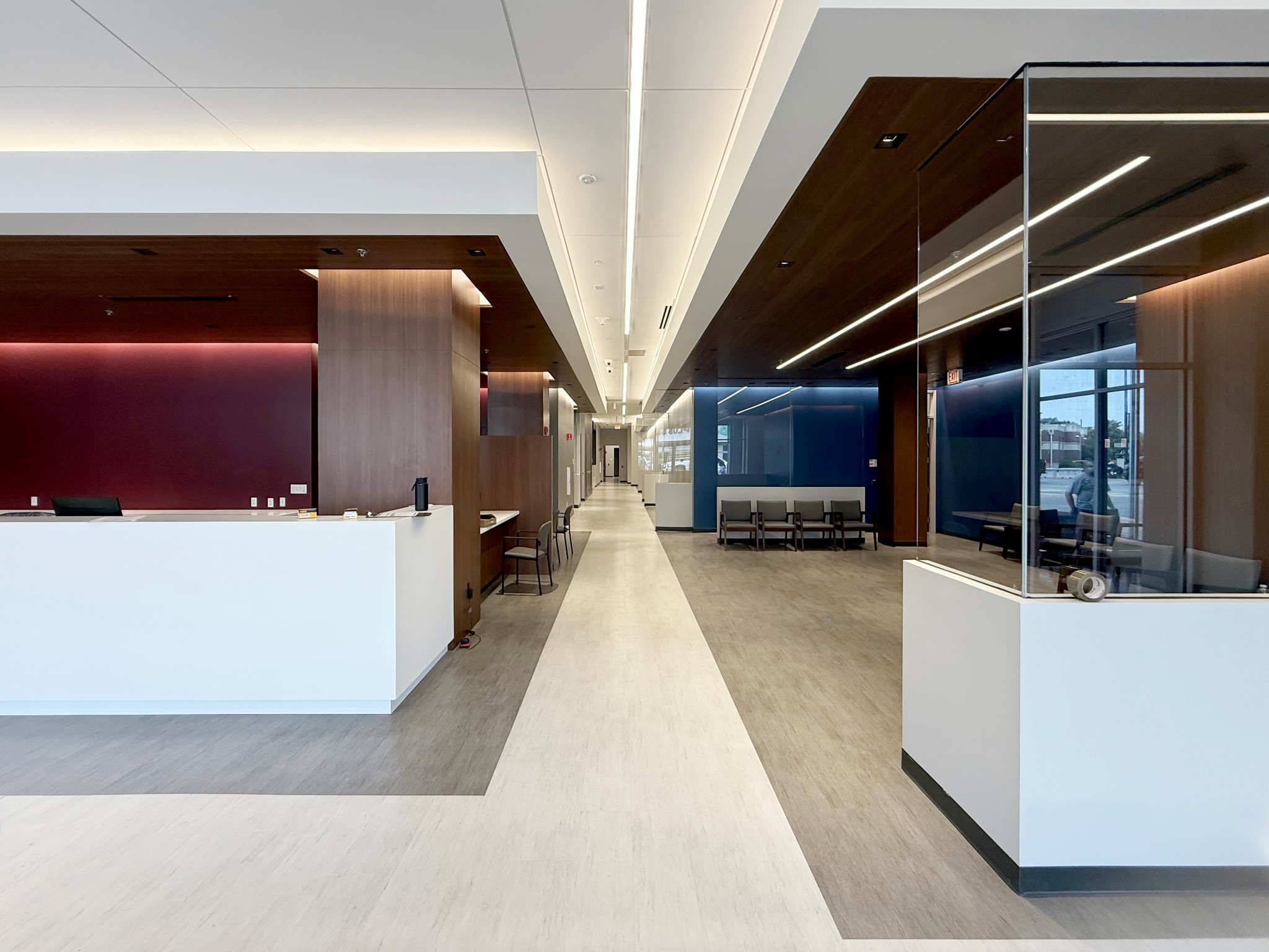
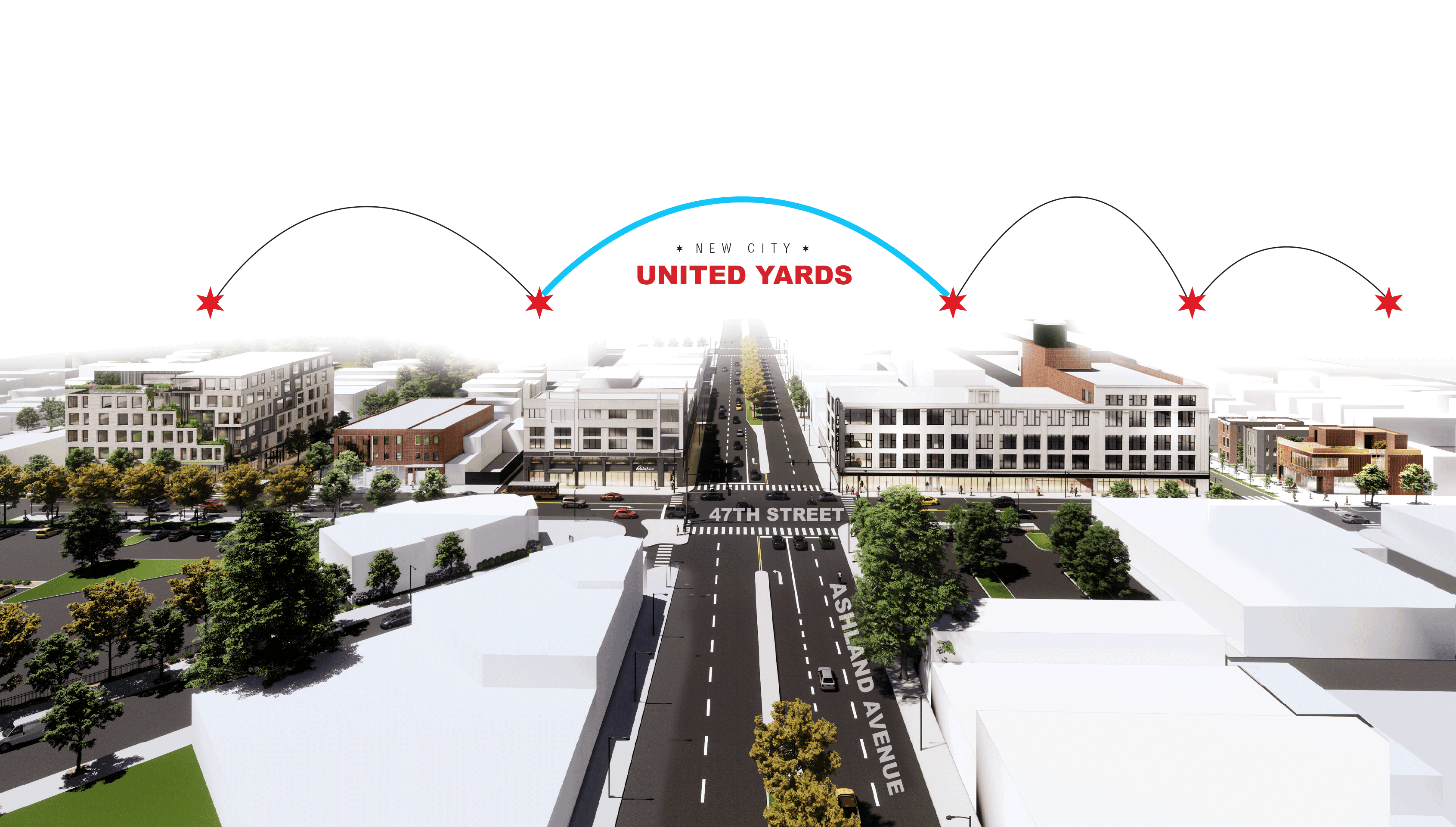
Located within the historic Oppenheimer-Goldblatt Bros. Department Store Building, Friend Health’s new Back of the Yards Community Health Center transforms a landmark commercial structure into a 15,000-square-foot, state-of-the-art healthcare destination for Southwest Side families.
The project represents the organization’s largest expansion in nearly three decades — tripling the size of its former neighborhood facility and significantly increasing access to coordinated, whole-person care.
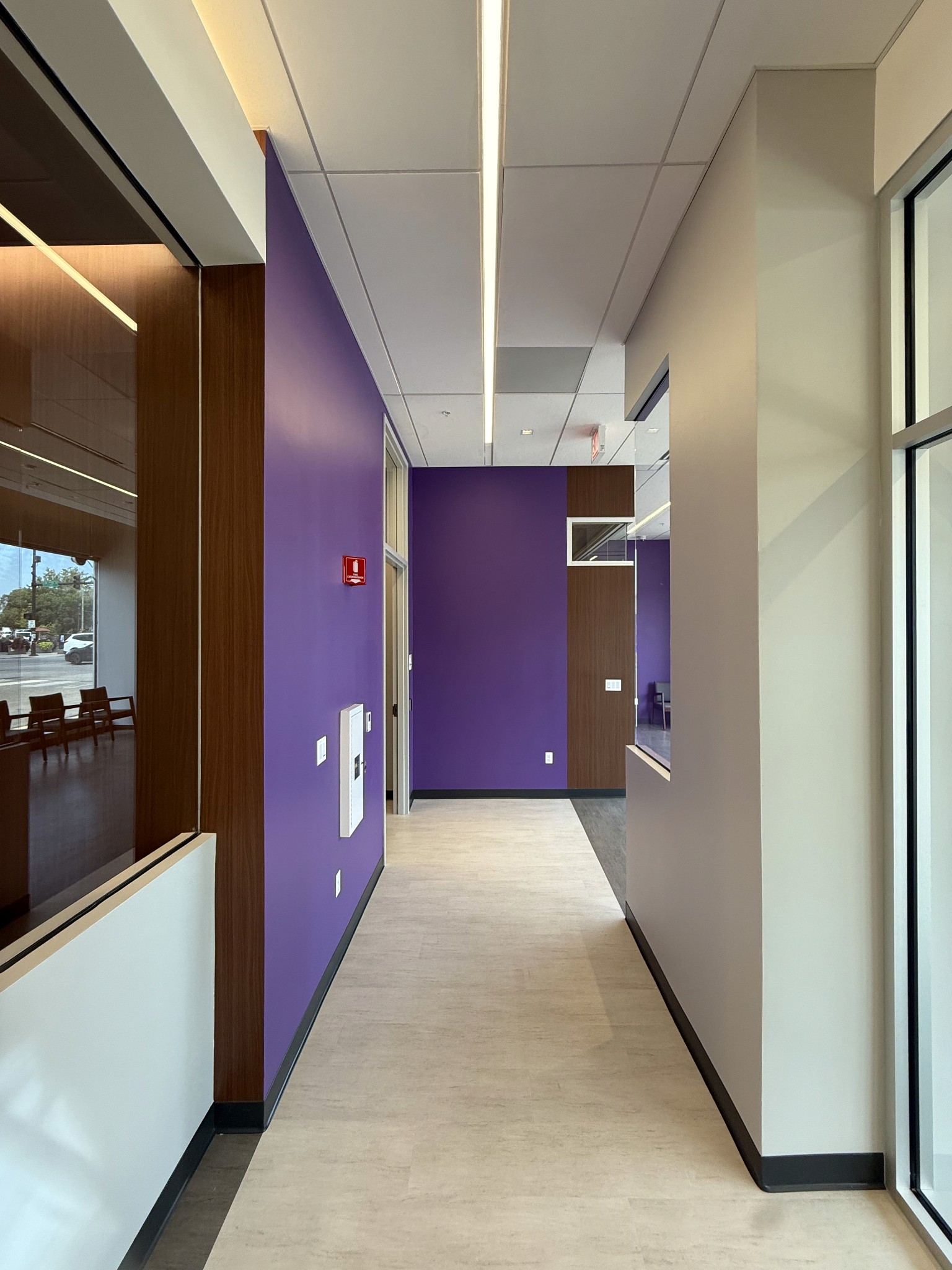
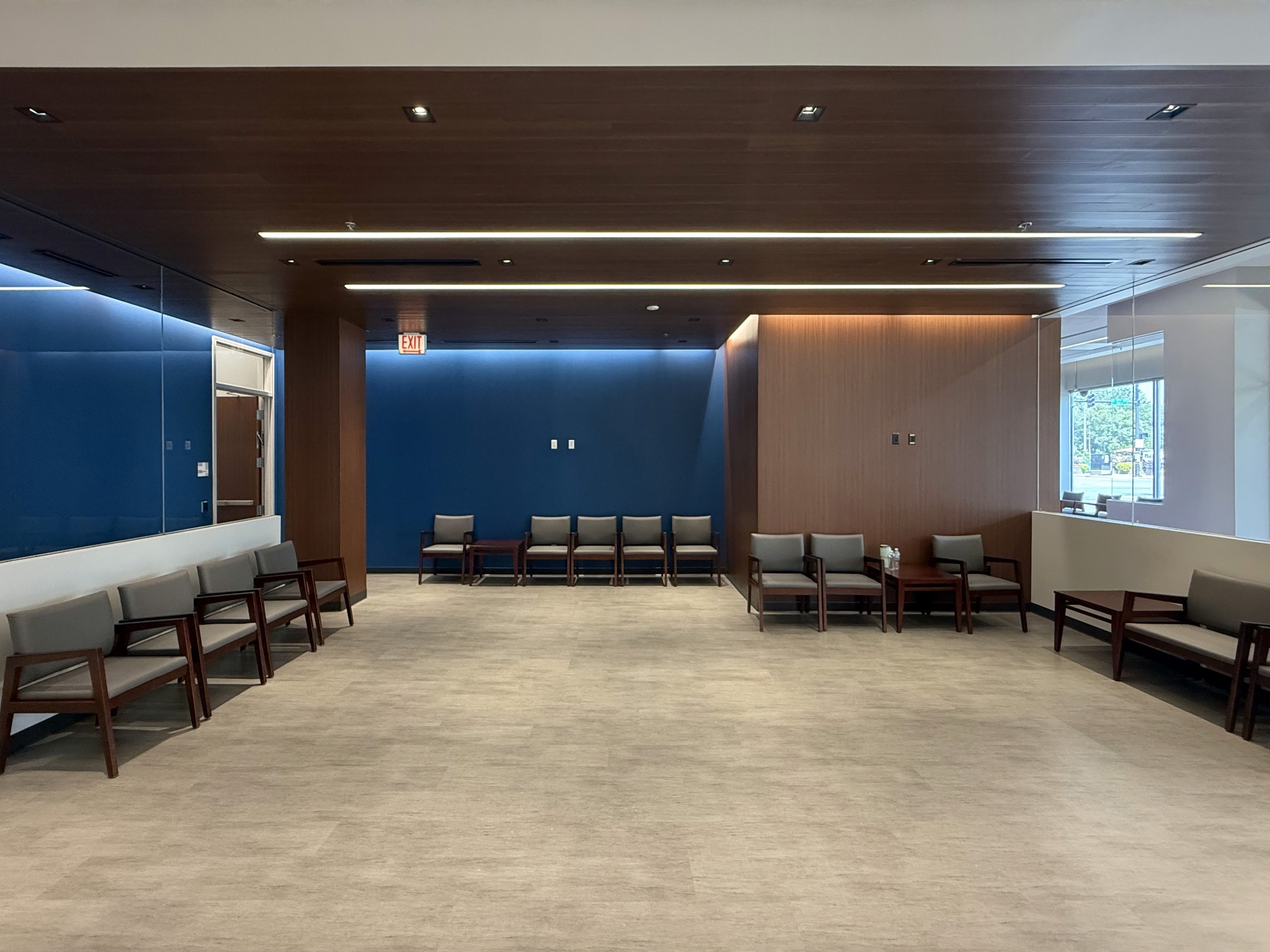
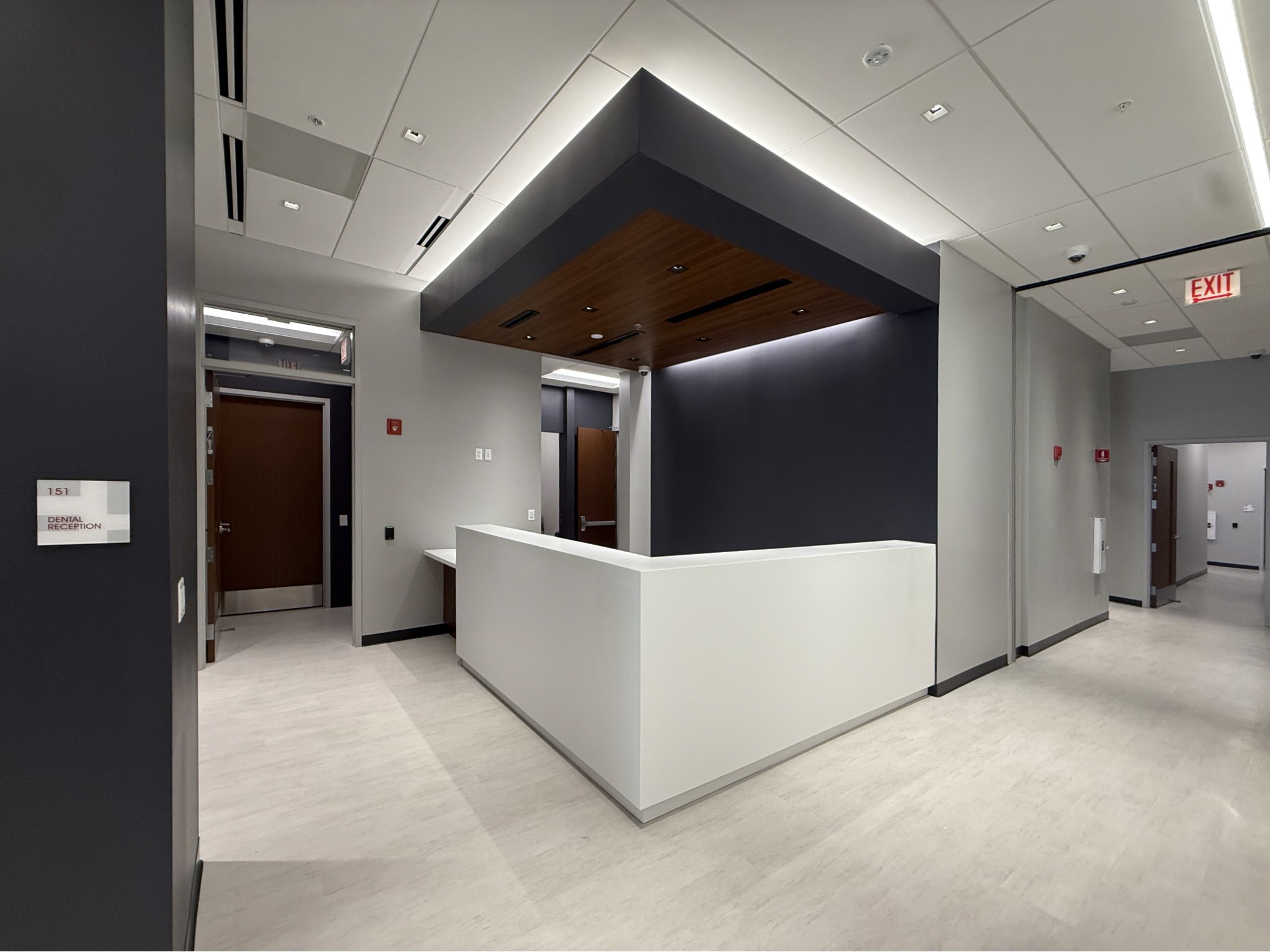
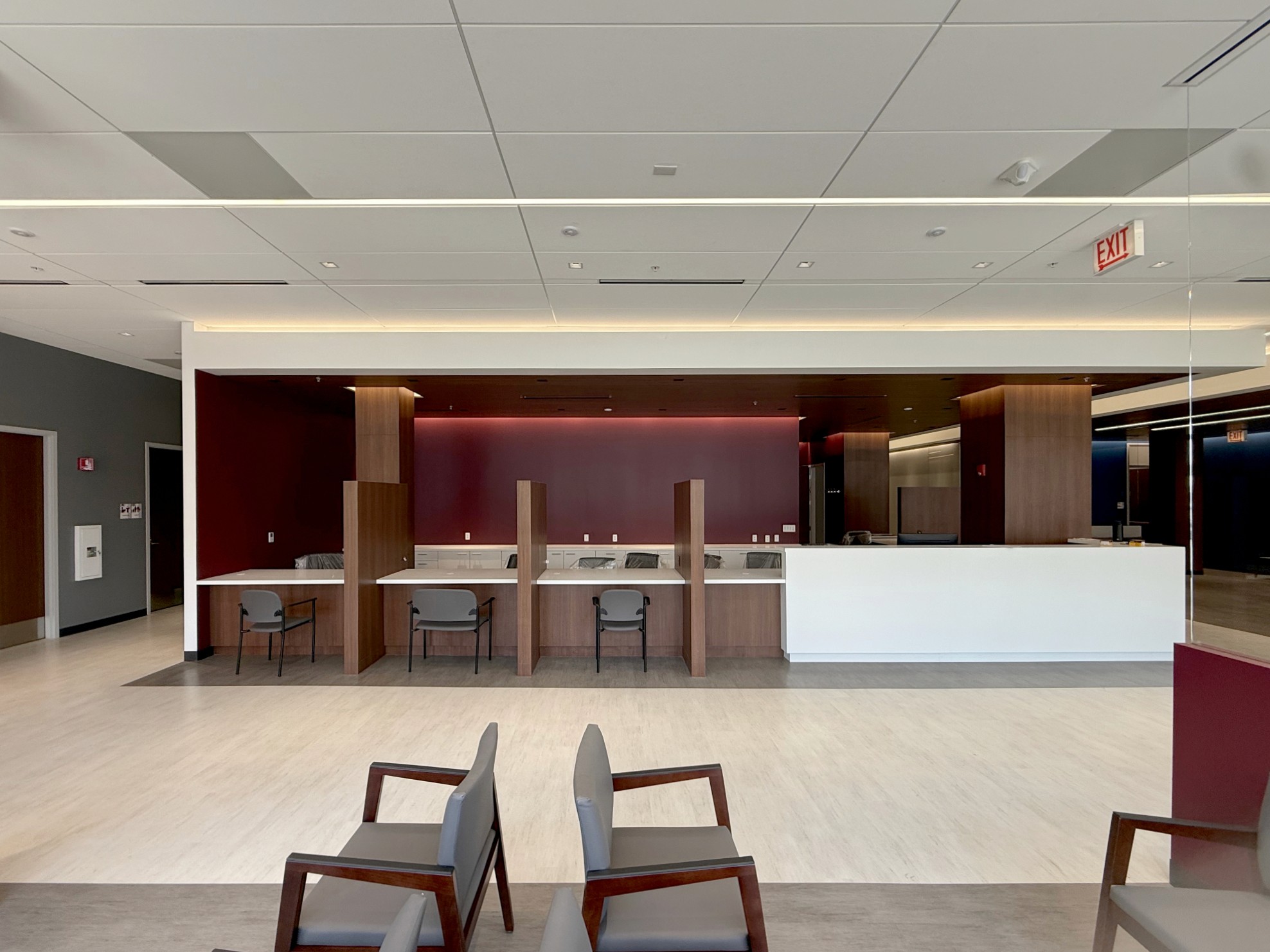
Designed to support integrated primary care, maternal health, pediatrics, and behavioral health services under one roof, the center prioritizes accessibility, dignity, and efficiency. The layout promotes intuitive circulation, privacy, and a welcoming patient experience, while supporting clinical team collaboration and long-term operational flexibility.
This adaptive reuse project strengthens a historic community anchor while advancing health equity — ensuring care is close to home and rooted in trust.
Project Highlights
15,000 SF adaptive reuse within historic landmark structure
Integrated primary, maternal, pediatric, and behavioral healthcare services
Expanded access for Southwest Side residents
Community-centered design approach
Program Summary
Total Area: 15,000 SF
Clinical Rooms: 21 Exam Rooms
Core Services
Adult Primary Care
Pediatric Care
OB-GYN / Maternal Health
Behavioral & Mental Health
On-Site Pharmacy
Full-Service Laboratory
The New Facility
Triples Friend Health’s footprint in Back of the Yards
Expands access to integrated medical and behavioral care
Removes barriers related to cost, distance, and distrust
Reinforces healthcare as essential neighborhood infrastructure